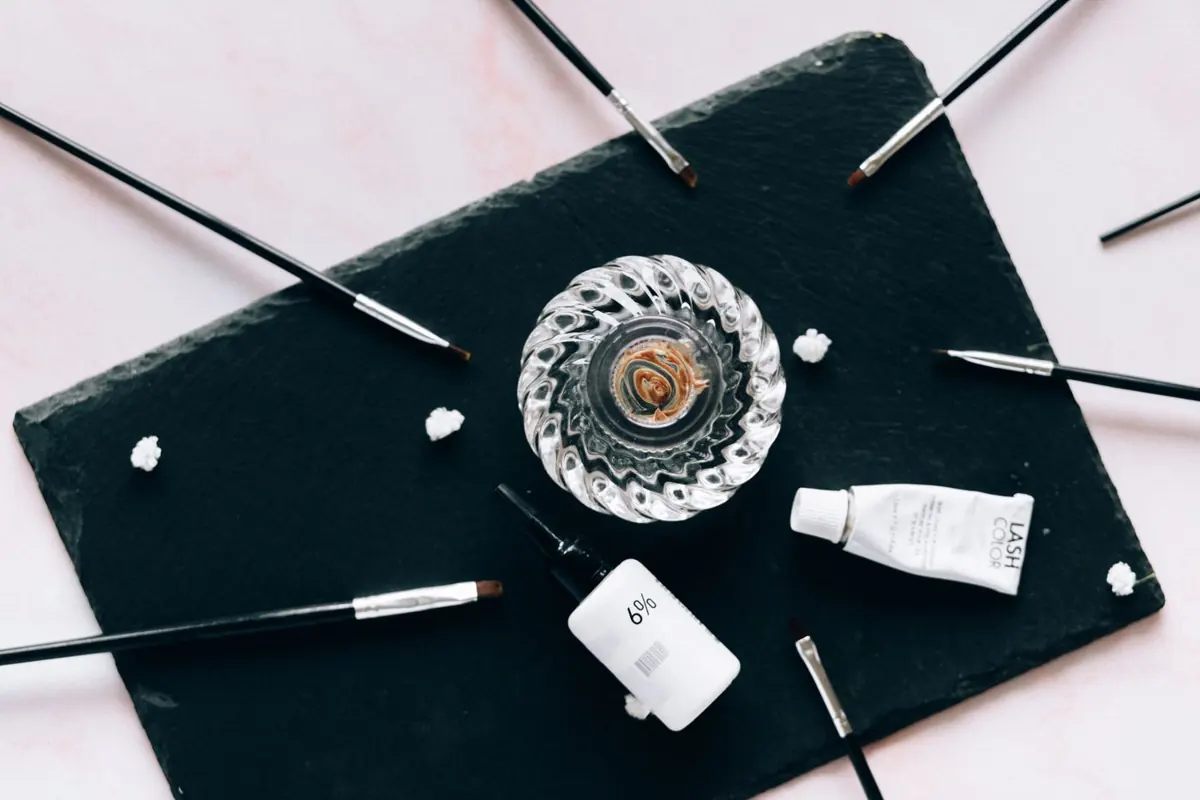
A grooming kit for people who are often photographed works best when it is built around problems that show up on camera: shine on the forehead, flyaway hair, lint on dark clothing, lips that look dry under strong light, and a collar or hem that has shifted during the day. The practical answer is a small, consistent set of tools you can carry in one pouch and use in under ten minutes. A lack of products is rarely the issue. A kit is usually too large to pack, too full of duplicates, or stocked with items that were never tested against a real schedule.
This guide walks through how to assemble that kit, how to decide what belongs in it, where the trade-offs sit, and which mistakes tend to waste space and money. The example below is hypothetical and is meant to show the thinking, not to prescribe a universal list.
Start with the failure points, not the shelf
Before choosing any item, list the situations in which your appearance has to hold up for the next several hours. A moderator who moves from a morning panel to a lunchtime interview and then a recorded segment faces different problems from someone who joins a single video call each afternoon.
Here is an illustrative example. Imagine a speaker, called Dana here for clarity, who travels two days a month and records short videos from a home office. Dana’s recurring problems were specific: a shiny T-zone under warm studio lights, a stray hair that always appeared at the start of a recording, and a navy jacket that collected lint from a sweater worn underneath. Dana did not need a full beauty counter. Dana needed three answers: something to control shine, something to manage hair, and something to remove lint quickly.
Write your own version of this list. Use short phrases such as “midday shine in bright rooms” or “hair that lifts in wind.” Each phrase should map to at most one tool. If a problem has no clear tool, it may be a styling or wardrobe issue rather than a grooming one, and it belongs elsewhere.
The core categories
Most people who are photographed regularly benefit from five categories. You can often cover them with four or five items in total.
- Skin prep and blotting: a small, unscented blotting option and a light matte or powder finish if that suits your skin and habits.
- Hair control: a travel comb or brush, a small amount of a finishing product you already tolerate, and one flattening or smoothing tool only if your hair regularly needs it.
- Lint and fabric care: a compact lint roller or a fabric shaver, used sparingly because repeated use can wear fabric.
- Lip comfort: a simple balm you use daily, so it is not a new experiment on the day it matters.
- Emergency fixes: a stain pen, a small sewing kit or safety pins, and a pair of tweezers or nail clippers.
Notice what is missing. There is no long list of serums, multi-step treatments, or products that promise a particular look. The aim is to remove distractions, not to transform appearance. Anything that changes your skin’s condition belongs in a conversation with a qualified professional, not in a camera bag.
How to test before you pack
The most common mistake is assembling a kit in a store or on a website and discovering later that the products do not suit your skin or hair under real conditions. A practical test takes about two weeks.
- Use each item on an ordinary workday, not only before an event.
- Note whether it solved the specific problem on your list.
- Note whether it caused any discomfort, residue, or visible change you did not want.
- Keep only what solved a real problem without creating a new one.
If you are unsure about a product that touches your skin, follow the directions on the label and stop using it if irritation develops. Reading the ingredient list and directions carefully before first use is worth the time.
Trade-offs to weigh
| Choice | Benefit | Limitation |
|---|---|---|
| Travel-size versions | Easy to carry and replace | Often cost more per use and run out faster |
| Full-size essentials at home | Better value and fuller formulas | Require a second kit for travel |
| Many small tools | Covers more situations | Adds bulk and clutter to the bag |
| One multipurpose tool | Compact and simple | May do each job less precisely |
| Lint roller | Quick and widely useful | Sheets run out and need replacing |
| Fabric shaver | Works on textured knits | Can thin fabric if overused |
No single configuration is right for everyone. A person who attends many outdoor events may need a different hair kit than someone who works mostly indoors. The table is meant to prompt the question, not to settle it.
Common mistakes
- Carrying duplicates. Two blotting sheets, three balms, and four combs add weight without solving anything new.
- Using new products on the day that matters. Unfamiliar textures often behave differently under heat and light.
- Ignoring maintenance. Tools that are never cleaned collect product, oil, and dust. Brushes and combs should be kept clean and dry, and disposable items should be replaced when they stop working.
- Overusing fabric tools. Repeated shaving or rolling can damage delicate knits, so check the garment care label and use these tools only where needed.
- Treating the kit as a fix for everything. If a problem recurs regardless of product, a dermatologist or stylist may be a better resource than a bigger bag.
Assembling the final pouch
Once you have tested your choices, assemble the kit in a single pouch that you can carry without thinking. Place the items you use most at the top. Keep liquids sealed and separated. Check the kit after each trip and restock anything you used. Over time, you will learn which items you reach for and which you never open, and you can trim the kit accordingly.
For a related approach to organizing a bag around actual habits, see the guidance in our piece on organizing a makeup bag around what you actually use. For travel constraints, the article on a travel toiletry kit that is easy to pack offers useful structure.
Questions to ask yourself
- Which problem appears most often on camera, and does my kit solve it?
- Have I used every item in the last month?
- Could one tool cover two of my problems without compromising either?
- What would I need to replace first if the kit were lost?
Answering these questions honestly usually reduces a crowded bag to four or five items that genuinely earn their place.
Brush hygiene deserves a place in any grooming kit. The linked American Academy of Dermatology page covers cleaning makeup brushes and is background reading on that topic rather than a source for every routine described here. If a brush or applicator is part of your kit, include a routine for cleaning it.
Related resources
Cover: Pexels photograph, used as an editorial illustration. Stock models and products shown do not imply endorsement or independent product testing. Image license.