Editorial note: This is a practical planning guide based on research and comparison criteria, not a hands-on product test. Some links on this site may earn a commission.
The fastest way to pack for a three-day conference is to stop packing for the conference as a whole and start packing for the individual parts of your schedule. A travel day, four or five sessions, a presentation slot, one dinner and a stretch of free time each ask for something slightly different. If you pack for all of them at once, the bag swells to hold the rare case and you still end up wearing the same two outfits. The practical answer is to map the agenda first, choose a small repeatable core of clothing, and reserve only a few deliberate exceptions for the moments that genuinely need them.
The problem: a list that ignores the calendar
Most conference packing lists are generic. They tell you to bring “business casual” and a phone charger without asking what your day looks like. A three-day event in one large venue is a different problem from a three-day event spread across a city, and a trip where you present on day two is different again. The core issue is not a shortage of ideas; it is a mismatch between the list and the actual movement of the trip. This guide works backward from the schedule so that every item earns its place.
Step 1: Write the agenda as activities, not days
Open the event schedule and rewrite it as a short list of activities. Include the journey out, the journey back, each session block, your presentation or panel, any shared meals, and free time. Then check three practical details for each: the venue's dress guidance if it is published, the expected weather at the destination, and how much walking the route involves. The walking question is often more important than the dress question. A conference spread across a convention center and a hotel two streets away rewards comfortable shoes and a bag that does not bounce against your hip.
Mark only the moments that genuinely need a change of clothing. For many attendees that is one dinner and perhaps the presentation. Everything else can usually be handled by a neutral daytime rotation. Packing a fresh complete outfit for every line of the agenda is the most common reason a short trip becomes an oversized suitcase.
Step 2: Build a core of two bottoms and compatible tops
For a typical three-day trip, a useful starting layout is two bottoms, several tops that work with both, and one outer layer that handles changes in temperature indoors and out. Treat this as a starting point rather than a formula, because climate, body and the nature of your work all shift the right number. The principle is compatibility: every top should work with every bottom, so you can test combinations at home before you leave.
A limited color family makes mixing easier, but fit and comfort do more for how you look over three long days than any palette does. If a presentation makes you want one dependable “stage” top, add exactly one. Count underwear, socks and sleepwear explicitly, since these are the items people forget to total and then buy at the last minute.
Comparing packing approaches
| Approach | Best suited to | Main trade-off |
|---|---|---|
| Outfit per agenda block | Trips with many distinct events and dress codes | Bag size and weight rise quickly |
| Two bottoms, mixed tops | Most three-day professional trips | Requires testing combinations before departure |
| One outfit, rewear daily | Compact, low-formality events with laundry access | Little room for a presentation or formal dinner |
| Core plus one exception | Trips with a single high-visibility moment | Relies on the exception being planned, not improvised |
For most readers the last two rows are the realistic options. The core-plus-one approach gives you the composure of a planned outfit without the bulk of a full wardrobe.
Step 3: Choose shoes by walking, not by appearance
Select your primary pair from shoes you have already worn for long stretches. Walk in them with the trousers and socks you intend to pack, ideally on uneven or hard surfaces similar to the venue. If you plan a second pair for an evening event, check whether it is different enough to justify its volume. A backup that is just as uncomfortable as the first pair adds weight and gives you nothing. The surfaces on your route and the stairs between floors matter more than a shoe's appearance in a photograph.
Put shoes in a separate pouch so their soles do not touch clothing. This is a simple habit that keeps a clean presentation top clean.
Step 4: Protect the items that let you work
The presentation side of a conference is where small omissions cost the most. Keep your files in the formats the organizer requests and confirm which connection the room uses before you leave. Check your device's ports and what they output, then carry only the adapter you have actually identified. A connector that fits physically does not guarantee the function you need, so test it with the device you will present from.
Keep an appropriate backup of your own files, stored somewhere you control rather than in an unprotected shared location. Where possible, ask the organizer whether a technical check or rehearsal is available. A few minutes in the room before your slot is worth more than an extra sweater.
Step 5: Make one reachable event pouch
Gather the small things you use during sessions into a single pouch: charger, cable, pen, compact notebook, and anything specific to your presentation. Keep credentials and any personal medication secure yet within reach according to your own needs. A pouch crammed with unidentified adapters is not a backup; it is clutter. Pack only what you can name and test before departure.
A reusable bottle can be useful if the venue allows it and your travel arrangements suit it. Leave room in the day bag for handouts and conference materials, which often weigh more than expected.
Step 6: Plan the evening as a variation, not a repack
Rather than building a second outfit, change one element: a cleaner top, a different layer, or a single accessory. If there is a formal dinner, check the venue's expectations in advance. If the evening is informal, your daytime clothing may already be suitable. Hang clothing on arrival, and follow the care labels for any crease treatment rather than assuming the hotel will provide a specialist service. Separate worn items as the trip goes on so repacking does not turn into a single pile.
Common mistakes
- Packing for the most formal moment for every day. One formal event rarely justifies three formal days.
- Testing shoes only at home on carpet. Hard floors and long corridors reveal problems that a short walk does not.
- Assuming a port means a function. Confirm what the adapter actually connects to the room.
- Carrying untested backups. A spare cable you have never used is a guess, not a safeguard.
- Forgetting to count underwear and socks. These are the first items people run out of mid-trip.
A worked example
Hypothetical example: Imagine a three-day conference in one large venue with a presentation on the second afternoon and a dinner on the final evening. Working from the agenda, the traveler packs two neutral trousers, four tops that all pair with both, one light layer for the air-conditioned rooms, and a single top chosen for the presentation. The dinner is handled by swapping that top for a cleaner one and adding a small accessory. The primary shoes are the pair already worn on a long walking day; no second pair is packed. The event pouch holds a charger, a short cable, a pen and a notebook, plus an adapter the traveler tested with the laptop the night before. The bag stays manageable because nothing was added for a moment that did not appear on the agenda.
Before you close the bag
Point to an agenda item for every bulky object you have packed. If you cannot, decide whether it answers a real need or a vague worry. Check current airline baggage rules, the amenities listed for your booked accommodation, and the organizer's latest instructions, since these change. Keep one modest contingency for a spill or an unexpected change in weather, rather than duplicating the whole kit. Photograph the final layout so you can recreate it.
Afterward, note what you never used and what you wished you had brought. That record becomes the most useful packing list you will own.
Continue reading
- How to Choose a Weekend Bag: Capacity, Carry Comfort and Useful Pockets
- Best Portable Tech for People Who Work Between Cafes and Airports
- Best Backup Items for Long Days in Public
Prepared by Top Cool People Editorial. Guidance is based on practical comparison criteria and does not imply personal testing or endorsement.
Related resources
- eTools : Computer Workstations – Checklists – Purchasing Guide | Occupational Safety and Health Administration
- Travel Checklist
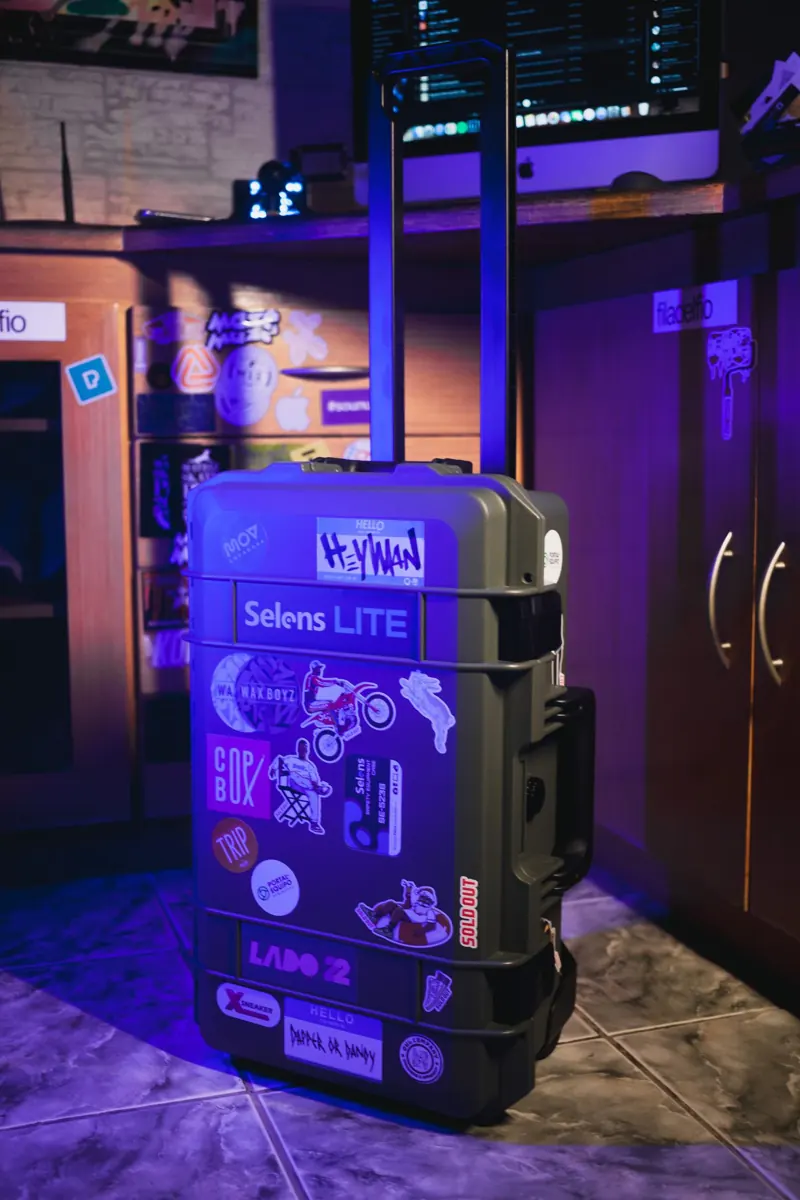
Cover: Pexels photograph, used as an editorial illustration. Stock models and products shown do not imply endorsement or independent product testing. Image license.