The short answer: a luxury lookalike is worth buying only when you can verify, on the page and in your hands, that it matches the one detail you actually want and that its own fit, materials and total cost make sense for your routine. A similar silhouette in a product photo tells you almost nothing about how the item will feel after a full day, how it will age, or whether it will fit your body rather than a styled model’s.
You see a bag, coat, or pair of shoes you admire, you find something that looks close for a fraction of the price, and the decision gets made on appearance alone. The checklist below is designed to slow that decision down in a useful way. It treats the lookalike as a product in its own right, with its own strengths and limitations, rather than as a cheaper copy whose quality is judged against an absent reference.
Start by naming the detail you want
Before comparing anything, write one sentence describing what attracted you. It might be the drape of a jacket, the structure of a handbag, the color of a leather, or the proportions of a shoe. Most people discover that the attraction is narrower than the whole product. You may want the shoulder line but not the lining, or the tone of the material but not the closure.
This matters because it tells you which criteria carry weight. If the appeal is color, a product photo may be adequate for a first screen but not for a final decision, since color rendering varies across screens and lighting. If the appeal is structure, you need to check how the item holds its shape when empty, loaded and sat on.
Ask two further questions: where will I wear this, and what do I already own that it has to work with? A lookalike that matches a single photograph but clashes with your existing wardrobe or daily carry is a poor purchase even if it is well made.
Example
Illustrative example: a reader admires a structured tote. Writing down the sentence “I want the rigid shape and the short handles so it sits neatly under my arm on transit” immediately rules out soft-sided bags, even attractive ones, and focuses comparison on base stiffness and handle length.
Separate affordable alternatives from misleading branding
There is a meaningful difference between an item sold under its own name in a similar broad style and an item presented in a way that suggests it is the genuine branded product. The first is a normal retail choice. The second raises questions about authenticity, and it is not something a disclaimer in a small line of text resolves.
Check the seller's listing, images and business details. Look for copied logos, phrasing that implies a connection with a brand that is not supported, unclear provenance, and images that appear to have been taken from another seller without explanation. If the listing relies on the reference brand's name to make the item attractive, that is a signal to walk away or at least to judge the item strictly on its own terms.
When you genuinely want the branded item, buy from a channel with a credible returns and authentication process. When you want an alternative, judge a clearly identified product with its own name and its own specifications.
Read material descriptions for specifics
Useful descriptions name fiber composition, lining, hardware, coating or finish, and care instructions. Vague language does not tell you how the item will behave. Terms such as "premium," "luxury feel" or "high quality" are marketing words rather than construction details.
Coatings and finishes deserve particular attention. A surface can look convincing in a photograph and still reveal its limits through abrasion at corners, cracking at folds, or a change in tone after heat or moisture. You rarely learn this from a single image, so look for close-up photographs of edges, seams and stress points, and check whether the care instructions warn against the conditions you expect to encounter.
Where information is missing, ask the seller directly. A reply that is specific and consistent is reassuring. A reply that avoids the question is informative in its own way.
- Fiber or material composition, stated specifically
- Lining material and whether it is removable or fixed
- Hardware finish and the attachment method
- Care and cleaning instructions
- Close-up images of seams, closures and base or hem
Compare fit with measurements, not labels
A lookalike can match a silhouette and still fit you poorly. Shoulder width, sleeve length, rise, strap drop and handle length change the wearing experience more than overall shape does. Size labels vary between sellers, so the reliable approach is to measure an item you already wear comfortably and compare those figures with the seller's chart.
Pay attention to what the chart describes. Some charts give body measurements, meaning the recommended dimensions of the wearer, while others give the finished dimensions of the garment itself. These produce different results. A garment whose chest measurement equals your chest measurement may fit tightly once you account for ease and layering.
Styling images can also mislead. Sleeves rolled, belts added, or a model posed to hide proportions all change the impression. Read reviews for specific fit observations, such as "the sleeves run short for my arm length," rather than general praise or complaint.
Include alteration costs in your comparison and confirm whether an altered item remains eligible for return. Some sellers exclude altered goods.
Inspect the item during the return window
Keep labels, tags and packaging until you have finished the inspection. Check seams, lining, fastenings, surface finish and any unusual odor. For clothing, wear it with the layers and shoes you intend to use, within the seller's conditions for returns. For a bag, load it lightly with your normal items and check the straps, stitching at attachment points, and the opening.
Avoid damage-testing a new purchase in ways that would make it unreturnable. The goal is to assess realistic use, not to stress it to failure. If you find a defect, photograph it clearly and contact the seller through the documented process promptly, since return windows are finite.
Common mistakes
- Assuming a return will be accepted after the item has been worn outdoors or washed contrary to care instructions.
- Judging quality from the first hour of wear rather than a typical full day.
- Keeping packaging and tags discarded before confirming the item meets your expectations.
Calculate the full cost
The checkout price is an incomplete figure. Add shipping, any duties or fees that apply to your location, alteration costs, and the care products or professional cleaning the item will need. If the item has replaceable parts such as straps, feet or closures, check whether those parts are available and at what effort.
A low price can still be poor value if the item sits unused because it never suits your routine. A simple inexpensive product can be entirely appropriate for occasional use. Estimate frequency honestly, using the number of similar items you already reach for rather than an optimistic picture of future wear.
| Cost element | Question to ask |
|---|---|
| Shipping and fees | Does the delivered total change the comparison? |
| Alterations | Will the fit require a tailor, and does that void returns? |
| Care | Can you maintain it with products and methods you will actually use? |
| Replacement parts | Are straps, closures or feet available if they wear? |
| Realistic use | How often will you wear or carry it, based on past habits? |
Decide: keep, return or wait
Keep the alternative when its fit, materials and everyday usefulness justify the price on their own. Return it within the applicable terms if the compromise affects the reason you bought it. Wait if you are still comparing it against a product you cannot currently buy and it does not meet a real need.
Accumulating several disappointing substitutes can cost more than making no purchase at all. Keep a short note of each item's actual use after a month. The pattern will show whether lookalikes serve you or whether you are chasing an image.
Two questions help at the decision point. Does this item work for the situations I described at the start? Would I still want it if nobody could associate it with the product I first admired?
Continue reading
- The Cool-People Guide to Buying Less but Looking More Intentional
- How to Build a Personal Brand Wardrobe Without Buying Constantly
- How to Read a Celebrity Brand Collaboration Without Falling for Hype
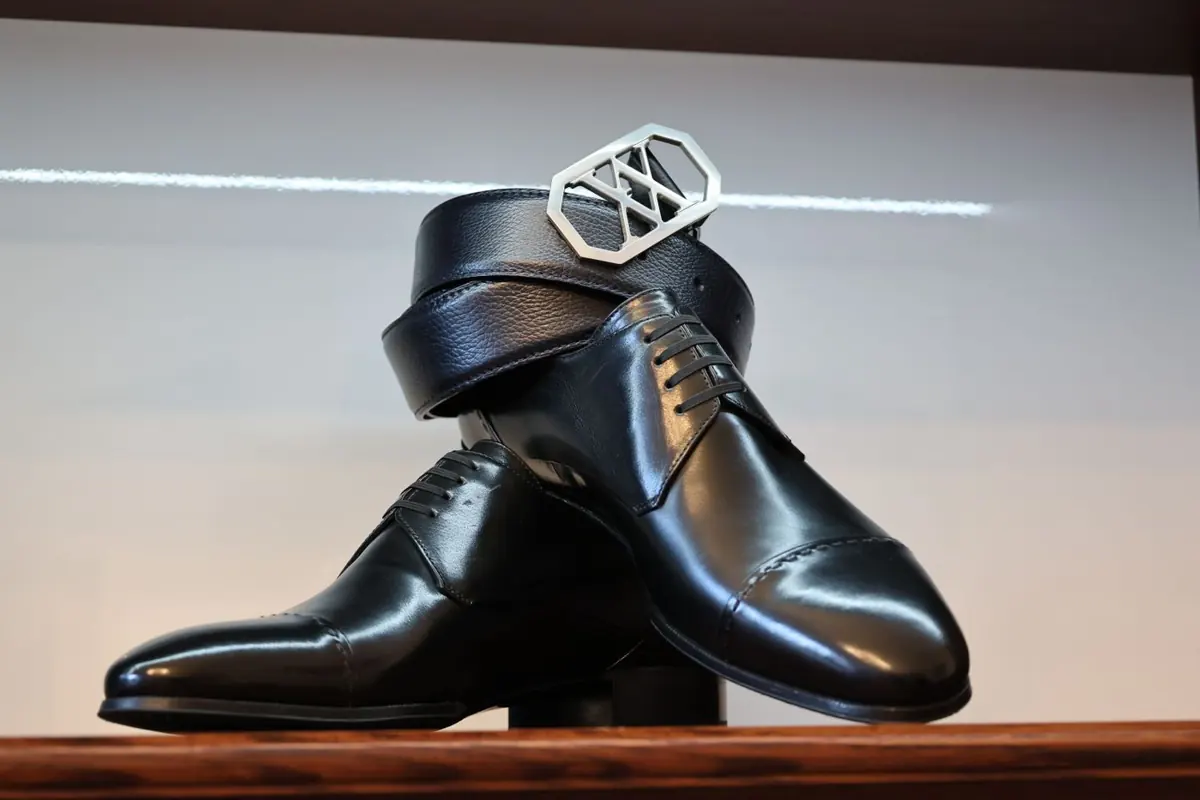
Cover: Pexels photograph, used as an editorial illustration. Stock models and products shown do not imply endorsement or independent product testing. Image license.