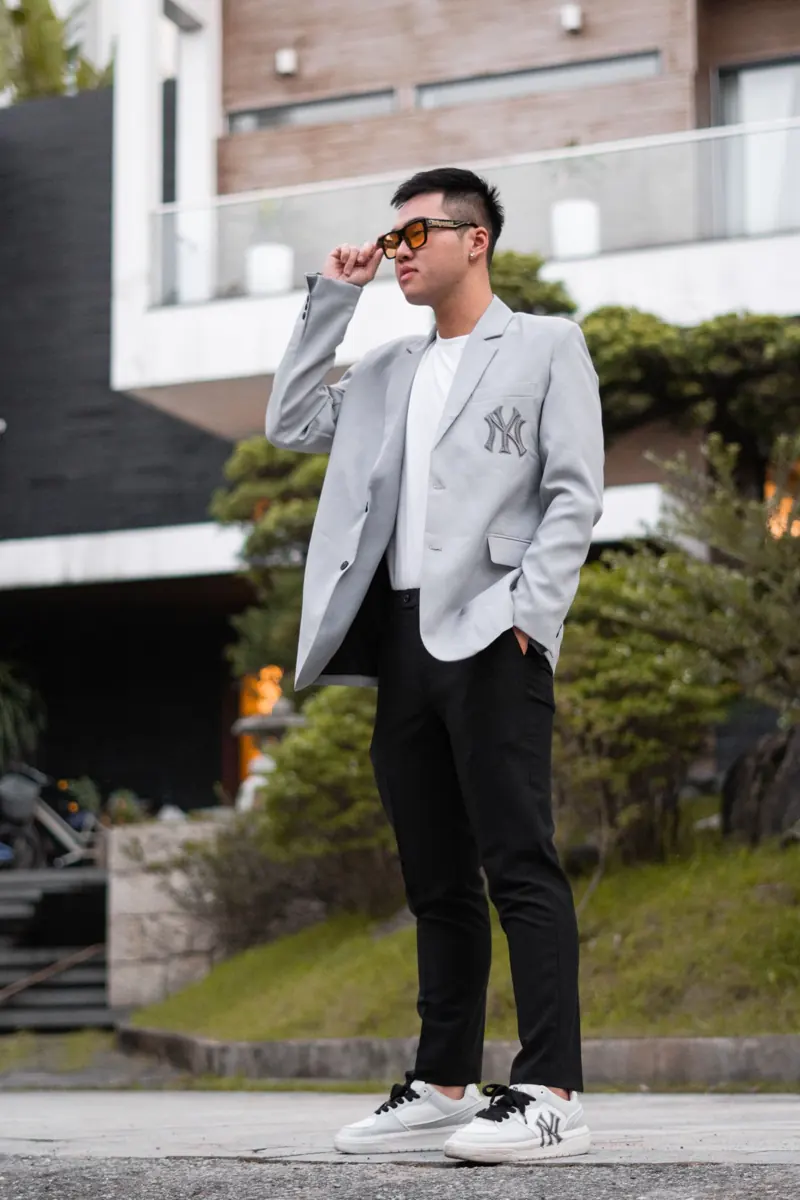
A public speaker’s wardrobe works when it stays out of the way. The clothes need to read clearly from the back of a room or on a small camera frame, hold their shape while you sit or stand for long periods, and avoid details that pull attention from what you are saying. The practical answer is a small stage wardrobe built from a few repeatable silhouettes, a restrained colour set, and a checklist you run before every appearance.
People who speak occasionally, whether at a conference, a panel, a webinar, or a launch event, often buy one impressive outfit and then face a new event with nothing that fits the lighting, the stage height, or the camera. Others overbuy trend pieces that look wrong on screen. A minimal stage wardrobe solves both problems by making every item earn a place through repeat use.
This guide is editorial guidance based on how stage and camera situations tend to work, not firsthand testing of specific garments. Use it as a structure for your own decisions.
Start with the conditions, not the clothes
Before choosing any item, write down the conditions you actually face. A keynote in a large hall, a seated panel, a recorded video for a small audience, and a live stream from your home office each stress different things. Under bright stage lights, very pale colours can wash out and very dark colours can lose detail. On a laptop camera at close range, fine patterns can shimmer or move unpredictably.
Make a short list of your next five to ten appearances and note three things for each: whether you will stand or sit, whether you will be filmed close up or in a wide shot, and how formal the audience is expected to be. This list tells you how many distinct outfits you need. For most speakers the answer is three to five core looks that can be combined.
Build around three repeatable silhouettes
A minimal wardrobe does not mean a minimal number of clothes; it means a small number of shapes that combine well. Choose three silhouettes and make sure each works for both standing and seated use.
- A structured top layer such as a tailored jacket, a blazer-like overshirt, or a fitted knit cardigan with some body. It frames the shoulders and gives the camera a clean edge.
- A simple base top that sits under the layer and does not compete with it. Plain knits and crisp shirts are the usual choices.
- A bottom that holds its line when you sit. Trousers with a little weight and a straight leg tend to keep their shape better than thin or very soft fabrics.
Because each piece has a defined role, you can rotate them. A single jacket can sit over two base tops and two bottoms, producing several distinct looks from four garments.
A colour set you can actually check
Choose a palette of three to five colours: one neutral anchor, one or two supporting neutrals, and one accent you can wear close to your face. Test each colour under the lighting you expect. A colour that looks rich in a fitting room can look flat under a stage spotlight, and a bright accent can read as glare on camera.
| Role | What to check | Common mistake |
|---|---|---|
| Anchor neutral (e.g. navy, charcoal) | Does it keep detail under warm and cool light? | Choosing black that crushes shadows on camera |
| Supporting neutral (e.g. cream, grey) | Does it separate from the anchor in a wide shot? | Two greys so close they look like a mistake |
| Accent (one colour) | Is it flattering near the face and calm enough to repeat? | Adding a second loud accent |
A pre-appearance inspection checklist
Before any important appearance, run through a short check. This is where most stage problems are caught.
- Seated test. Sit on a chair of similar height for two minutes. Does the trouser crease hold? Does the jacket pull open at the button? Does the hem ride up?
- Camera test. Record ten seconds on the device you will use. Look for shimmer in fine stripes, glare on shiny fabrics, and any colour that drifts toward grey or orange.
- Movement test. Raise your arms, turn, and gesture as you would while speaking. Note any gap at the back, any strap that shows, or any sleeve that blocks your hands.
- Sound test. Rustling fabrics and jewellery that clicks against a lapel microphone are real problems. Wear the outfit and speak for a minute into the microphone.
- Distance test. Ask someone to view you from the back of the room or from a screen-sized distance. Can they tell what you are wearing and whether the outfit looks deliberate?
Trade-offs to accept
Structured pieces look sharp on stage but can be uncomfortable for long days or for speakers who move a lot. Softer knits are comfortable but can lose shape when seated under a camera. A capsule approach also has limits: it works best when your events share a broadly similar formality. If you move between very formal ceremonies and very casual workshops, you may need one additional outfit rather than forcing a single system to cover everything.
Another trade-off is repetition. Wearing the same jacket in every recorded video can build recognition, which many speakers want, but it can also feel repetitive to an audience that follows you closely. Rotating base tops and accessories keeps the look varied without expanding the wardrobe.
Common mistakes
- Buying for one event. A single stunning outfit that only works for one stage is poor value if you speak regularly.
- Ignoring the seated position. Many outfits look correct standing and fail after twenty minutes in a chair.
- Testing only in daylight. Stage and camera lighting change colour and contrast.
- Too many details. Multiple textures, prints, and visible logos compete with your face and voice.
- Skipping care planning. Dry-clean-only or delicate pieces are hard to keep ready for frequent appearances. Always follow the garment’s care label before you commit, and consult clevercare.info for general background on textile care.
An illustrative example
Consider a hypothetical speaker who presents at two conferences, joins three recorded panels, and runs occasional workshops. Her starting wardrobe is four items: a navy structured jacket, two plain base tops (one cream, one charcoal), and a pair of straight-leg charcoal trousers. She adds one accent scarf in a muted red.
For a conference keynote she wears the jacket over the cream top with the charcoal trousers and the scarf. For a recorded panel with a seated format she swaps to the charcoal top and omits the scarf to keep the frame calm. For a workshop she removes the jacket and wears the cream top alone. Four garments and one accessory produce four distinct looks. Before each event she runs the seated and camera tests, which caught a gap at the back of the jacket on her first try and led her to add a small adjustment rather than buying a new item.
Questions to ask before you add anything
- Will this piece work in at least three of my next five appearances?
- Does it hold its shape when I sit, and does it read clearly on camera?
- Can I care for it without special handling?
- Does it fit a colour role in my palette, or does it introduce a new one?
Related resources
Cover: Pexels photograph, used as an editorial illustration. Stock models and products shown do not imply endorsement or independent product testing. Image license.