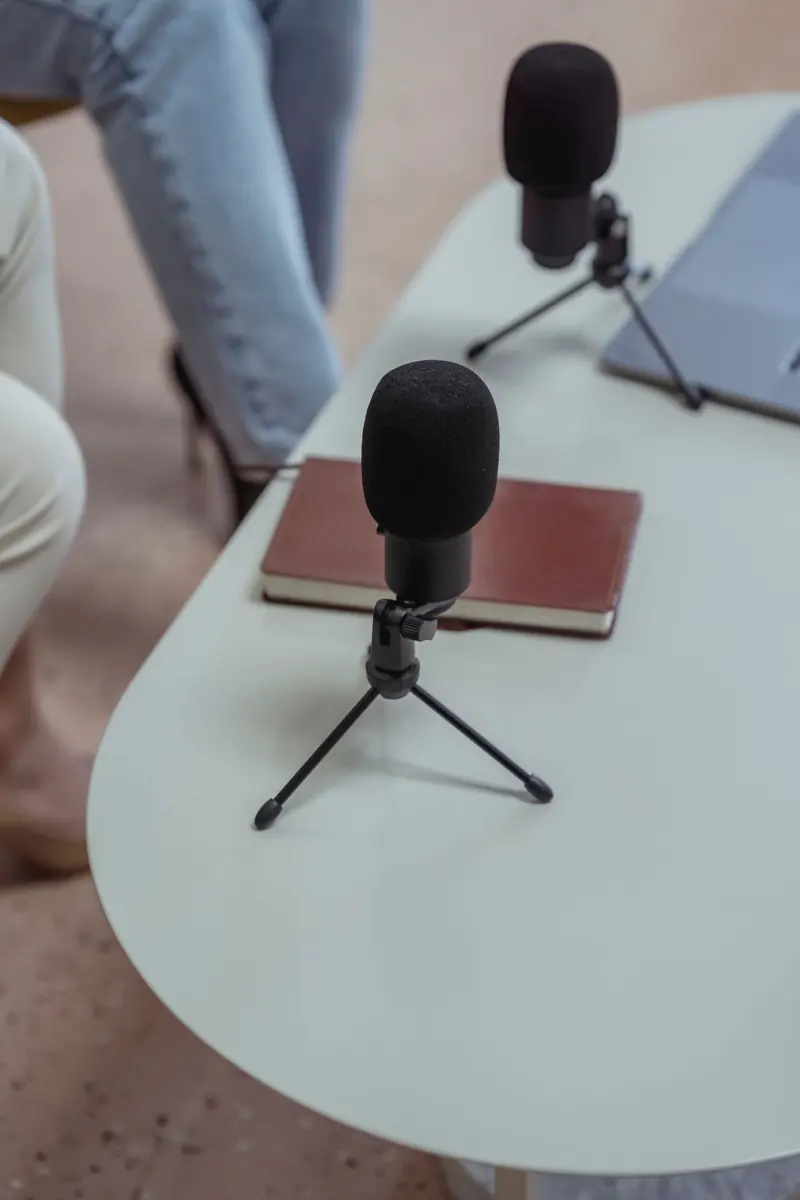
If you have twenty minutes on a commute, a long walk, or a quiet evening, the best podcast is usually not the most famous one. It is the one whose format matches the time you actually have and the kind of attention you can give it. A narrative series that unfolds over six episodes asks for continuity. A single interview asks for patience with one voice. A news roundup asks very little beyond a regular slot in your week. Choosing well means checking three things before you press play: the format, the evidence behind the claims, and the time you can realistically protect.
Subscribing and abandoning
Most listeners do not fail to finish podcasts because the shows are bad. They fail because the show asked for a kind of listening they were not prepared to give. A reporting series about a single case needs you to remember names across weeks. A conversational show with a guest every episode rewards you for listening to whole interviews. Subscribing based on a friend’s recommendation or a chart position skips the question of fit.
This guide offers an inspection checklist. You will not get a ranking of shows. Instead you will learn how to read a podcast’s own description, structure and sourcing before committing an hour to it.
Step 1: Name the format before the topic
Topic is what a podcast is about. Format is how it is delivered. Two shows on the same subject can require very different listening. Sort candidates into rough formats first:
- Serial narrative: episodes build on each other. Best when you can listen in order over several weeks.
- Standalone episodes: each episode is complete. Best for fragmented listening, such as chores or short walks.
- Interview or conversation: one or two people talk at length. Quality depends heavily on the host’s preparation and the guest.
- Panel or roundtable: several voices react together. Useful for range of opinion, harder to follow when speakers talk over each other.
- Lecture or explainer: one speaker teaches a subject. Often the most efficient for learning, sometimes dry.
Once you know the format, the question shifts from “Is this interesting?” to “Can I listen to this the way it is built?”
Step 2: Match format to the time you actually have
Be honest about your listening windows. Write down three situations in a typical week: a commute, a household task, a quiet hour. For each, note whether you can take notes, whether you can rewind, and whether you will be interrupted.
| Your situation | Format that tends to fit | Common mismatch |
|---|---|---|
| Short, interrupted walks | Standalone episodes of 20 to 30 minutes | Serial narrative that you lose track of between sessions |
| Long solo drives | Multi-part series or long interviews | Panels with rapid crosstalk that become hard to follow |
| Study or learning sessions | Lectures or explainers you can pause | Entertainment-first formats with little structure |
| Weekly ritual with a friend | Regular show with a predictable slot | Irregular release schedules that break the habit |
Example (hypothetical): a parent with three ten-minute gaps a day and frequent interruptions would probably abandon a six-part narrative series by week two. A single standalone episode per day, with no need to remember previous plots, would fit the same schedule much better.
Step 3: Read the episode description, not just the cover art
Before subscribing, read the descriptions of the three most recent episodes and the oldest one you can find. Ask:
- Does the description say what the episode covers, specifically, or only offer vague enthusiasm?
- Are guests named with their role, or left anonymous?
- Does the description point to sources, documents, or further reading?
- Do the episodes differ from each other, or do all of them follow an identical template?
Specific descriptions often signal a show that plans its episodes. Vague descriptions do not prove a show is weak, but they mean you will be relying on the host’s charm alone.
Step 4: Check how claims are supported
A podcast can be entertaining and still leave you with claims you cannot check. Listen to one full episode with a specific question in mind: when the host states a fact, does the show say where it came from? Look for named documents, dated reports, archival material, or a credited expert with a stated field. Be cautious when a show makes sweeping statements about research or history with no way to find the basis.
This is not a demand that every podcast read like a journal. A personal essay show can be valuable without footnotes. The point is to know what kind of trust you are extending. If you want to learn something you can repeat accurately, favour shows that point to their sources. If you want a companion in thought, a strong personal voice may be enough.
Step 5: Sample strategically
Do not judge a show by its first five minutes, which are often a trailer or a host introduction. Instead:
- Listen to the middle third of one episode, where the substance usually lives.
- Check whether the pacing holds across the episode.
- Note whether you wanted to keep listening or only tolerated it.
Commit to a small trial, perhaps three episodes spread over a week, before deciding. A serial show needs at least two episodes to reveal whether its structure works for you.
Common mistakes
- Subscribing to a serial show and listening out of order. You lose the thread and assume the show is confusing when the problem is the order.
- Choosing by length. A three-hour interview is not better than a focused thirty-minute explainer; it is just a different commitment.
- Ignoring release rhythm. A show you love but which releases irregularly may still be a poor fit for a habit.
- Treating enthusiasm as evidence. Passion is a pleasure to hear but does not establish accuracy.
Limitations of this approach
This checklist cannot tell you whether a particular show is accurate, well produced or worth your money, because those depend on specifics that change over time. It also cannot predict your mood. Use it to narrow options, then let a short trial decide.
Questions to ask yourself before you press play
- When will I realistically listen, and can I keep the thread between sessions?
- Do I want to learn something I can repeat, or to spend time with a particular voice?
- What would make me stop after three episodes?
Cover: Pexels photograph, used as an editorial illustration. Stock models and products shown do not imply endorsement or independent product testing. Image license.